Top-down Beat-'em-up Roguelike
Pong of Champions
Pong of Champions is a mobile top-down beat-'em-up roguelike set in a cyberpunk sports-entertainment world split between corporate Haves and outer-city Have Nots. The design focuses on procedural combat levels, enemy waves, boss encounters, random power-ups, gear recovery after death, crafting through a Tech Bench loop, and XP Network backend support for player state and ecosystem progression.
Role
Unity Developer
Year
2025
Platform
Android, iOS
Focus
Mobile roguelike combat with backend-backed progression
Skill Loadout
Mobile roguelike combat with backend-backed progression
Main tools and systems connected to this case study.
Mobile combat systems
Procedural level design
Roguelike loop design
Crafting progression
Backend-backed player state
PvP-ready architecture
Media Breakdown
Gameplay, integrations, and feature clips
Multiple short clips make it easier to review specific systems without watching one long unstructured video.
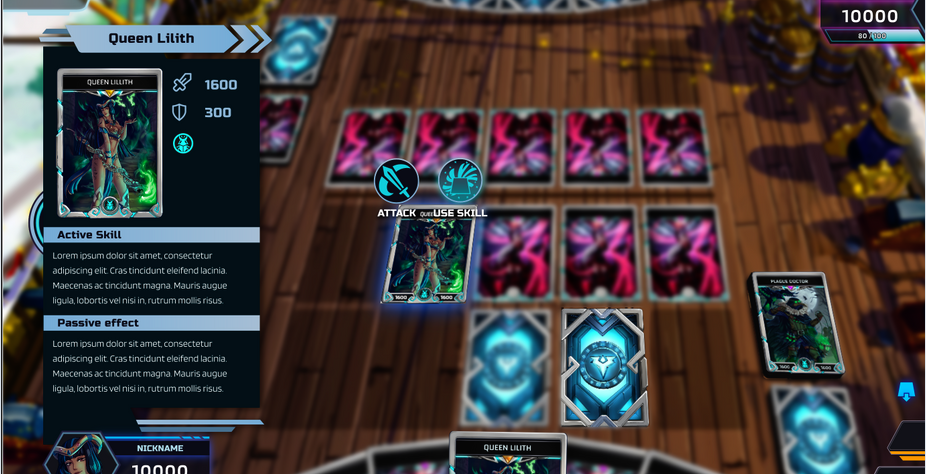
Card gameplay flow
Card interaction flow connected to special gameplay actions and progression.
Open video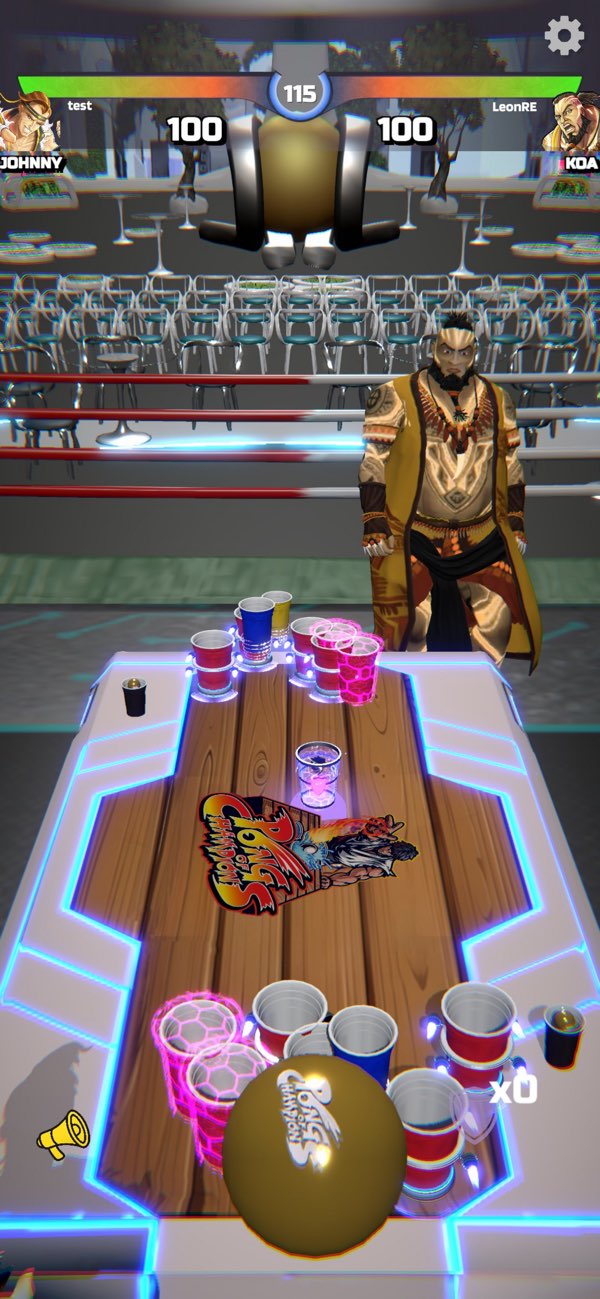
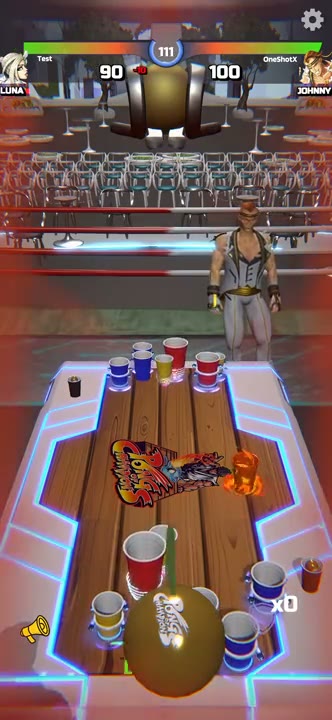
App Store BattlePong Screen
Official App Store screenshot showing the competitive BattlePong mode.
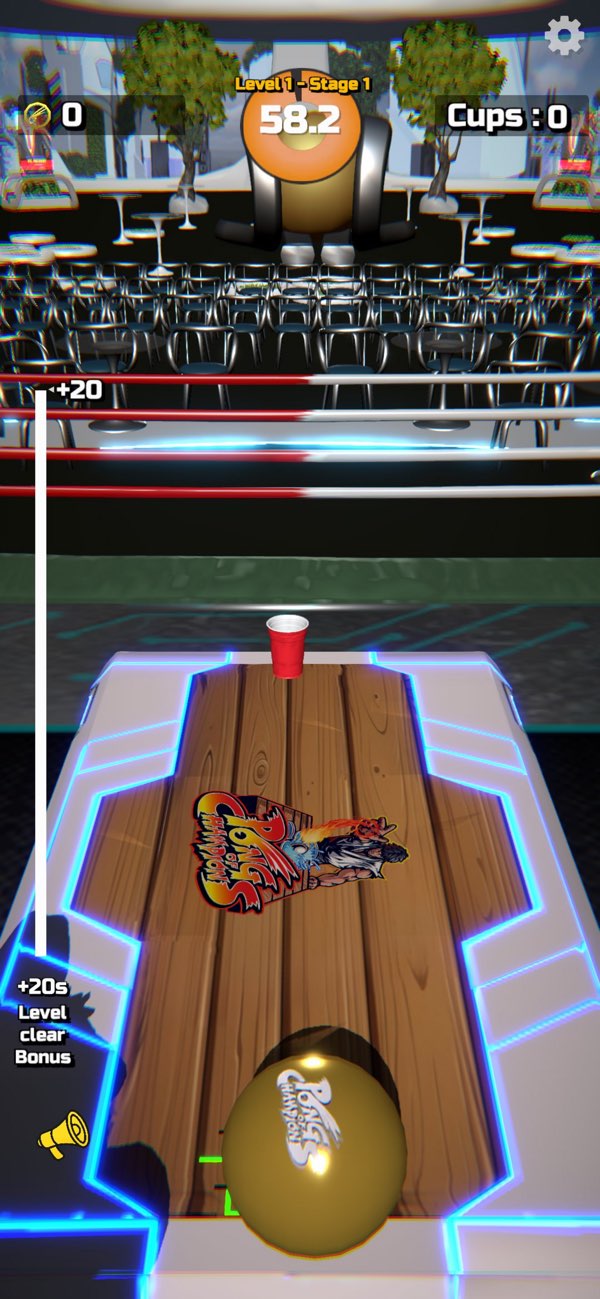
App Store Challenge Mode
Official App Store screenshot for the solo challenge gameplay flow.
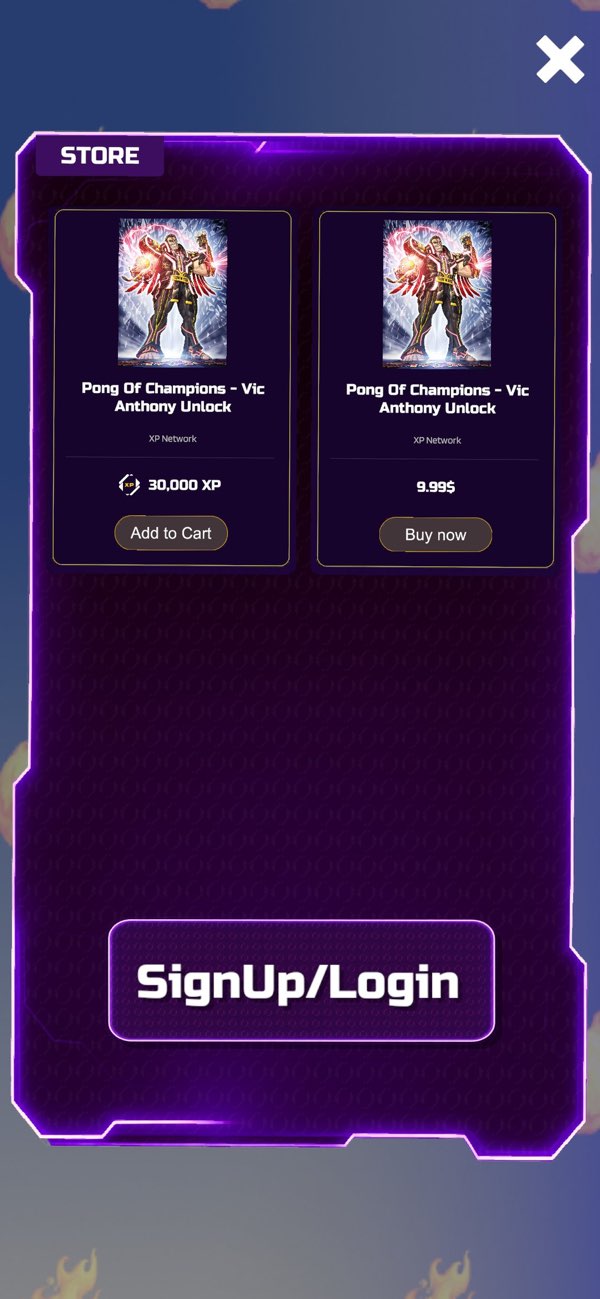
App Store Gameplay View
Official App Store gameplay visual for the project detail page.
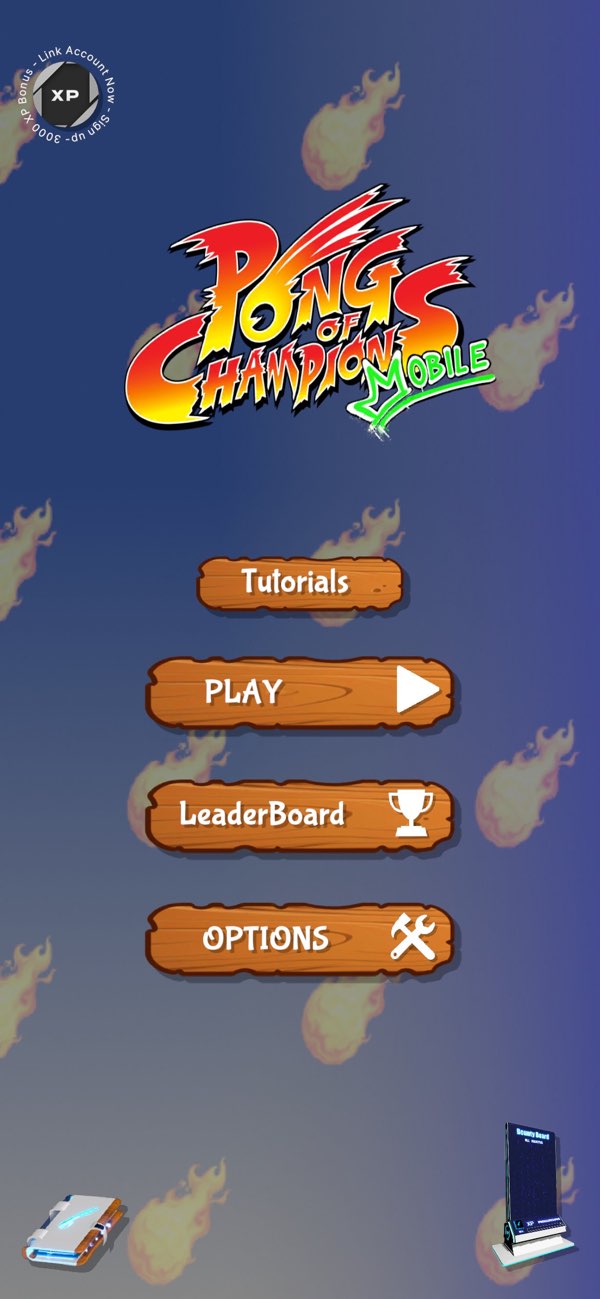
App Store Store Integration
Official App Store screenshot showing the in-game store flow.
Project Context
Mobile top-down beat-'em-up roguelike concept with procedural levels, combat progression, crafting, XP Network backend integration, and future PvP planning. This case study is structured to make the contribution, technical choices, and production thinking easy to review in a focused project walkthrough.
UnityTop-down combatProcedural levelsRoguelike progressionXP Network backendModular architectureFuture PvP planningUnarmed beat-'em-up combatEnemy waves and boss encountersLoot loss and gear recovery loopTech Bench craftingXP and challenge progressionPhoton Quantum future path for PvP
My Contribution
Helped frame the playable direction around top-down combat, procedural encounters, roguelike recovery, and mobile-first progression.
Structured the technical plan around modular Unity systems with XP Network as the backend source of truth for player state.
Kept future PvP viable by planning around input-driven multiplayer architecture instead of full state syncing.
Process
Defined the world, core loop, progression model, monetization hooks, and future PvP scope from the GDD.
Separated initial prototype scope from future roadmap features so the build could focus first on movement, combat, procedural maps, and loot drops.
Mapped backend responsibilities around persistent player state, XP/resources, tickets, and ecosystem-facing progression.
Workflow Model
Prototype movement, combat, loot drops, and procedural room generation.
Layer in progression systems: XP, combos, ultra attacks, crafting, daily/weekly challenges, and recoverable gear.
Use modular Unity architecture with service-style backend integration for player state.
Keep PvP expansion open through Photon Quantum-style input simulation planning.
Issues Solved
Reduced a large GDD into a clear prototype roadmap with initial systems separated from future-scope PvP and city-wide features.
Connected combat, loot, crafting, backend state, and monetization into one coherent progression loop.
Kept the architecture flexible enough for future multiplayer without forcing PvP into the first prototype milestone.
End Result
A clear mobile roguelike beat-'em-up case study covering combat, procedural levels, XP-backed progression, crafting, narrative direction, and future-ready PvP architecture.
Next Improvements
Add prototype clips for movement, combat, procedural levels, and loot recovery as they become available.
Separate future PvP roadmap items from current prototype footage.
Add exact ownership notes for implemented combat, backend, and progression systems.